01
Confidential — Q4 2026
Case study in progress
12025
Lumen
Built with
Case study in progress
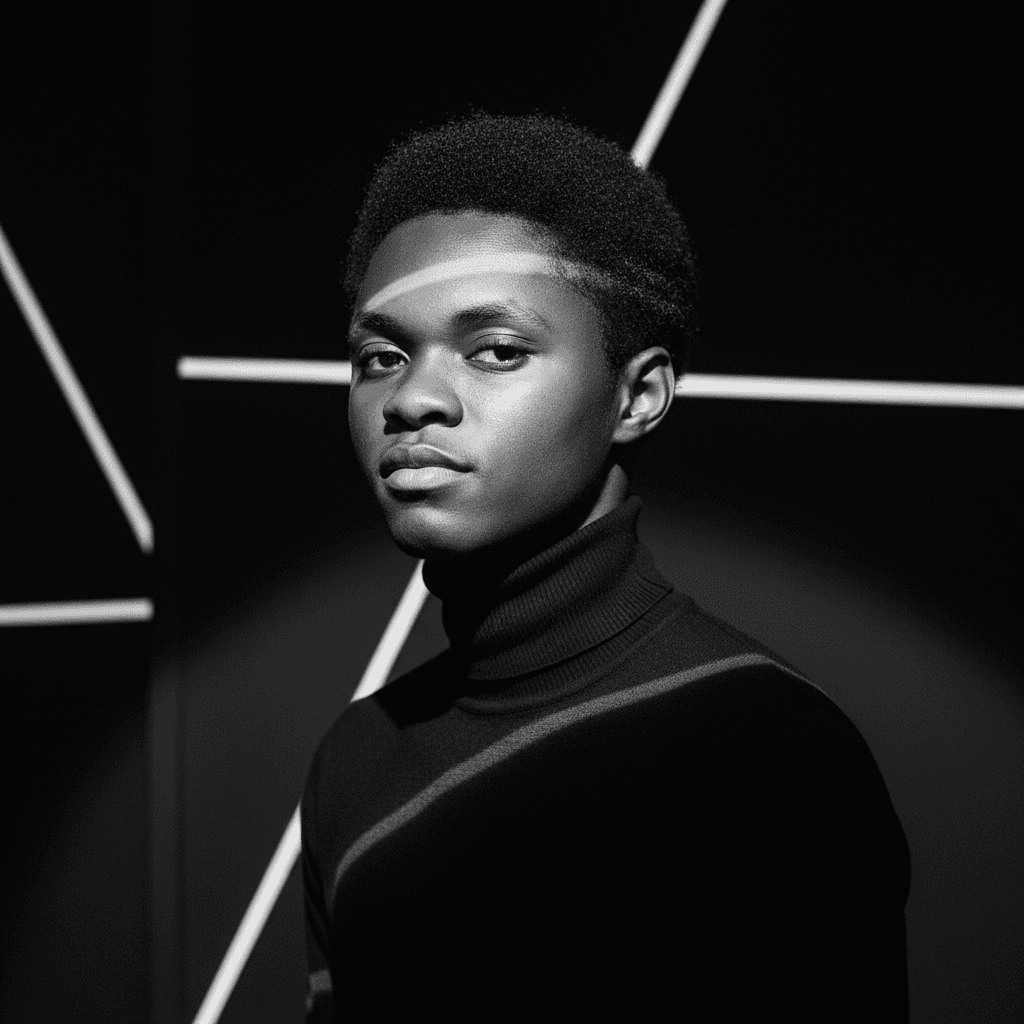
I build AI software, useful websites, and data tools. I focus on making technology easy to use, reliable, and helpful in everyday work.
On building useful technology without losing the human side.
I start by asking questions and learning how the problem really works. I read, listen, and think before I write code.
I care about the small details. I build products that are clear, reliable, easy to maintain, and ready for real users.
I test ideas early with small experiments. This helps us learn quickly and avoid spending time on ideas that do not work.
Good products do not need to feel complicated. I remove anything that does not help the user.
I build tools that help people finish important tasks faster and with less stress.
I can help with a full project or with one specific part. Whether you are hiring or need help with a project, feel free to get in touch.
I build AI apps, search tools, testing tools, and full-stack websites. I can help take an idea from an early prototype to a reliable product.
I turn raw data into clear reports, dashboards, and useful answers that help people make better decisions.
I design and build custom websites that look good, work well, and match the person or business behind them. This site is one example.
Here are a few projects I have worked on. Each one taught me something new and helped me build better products.
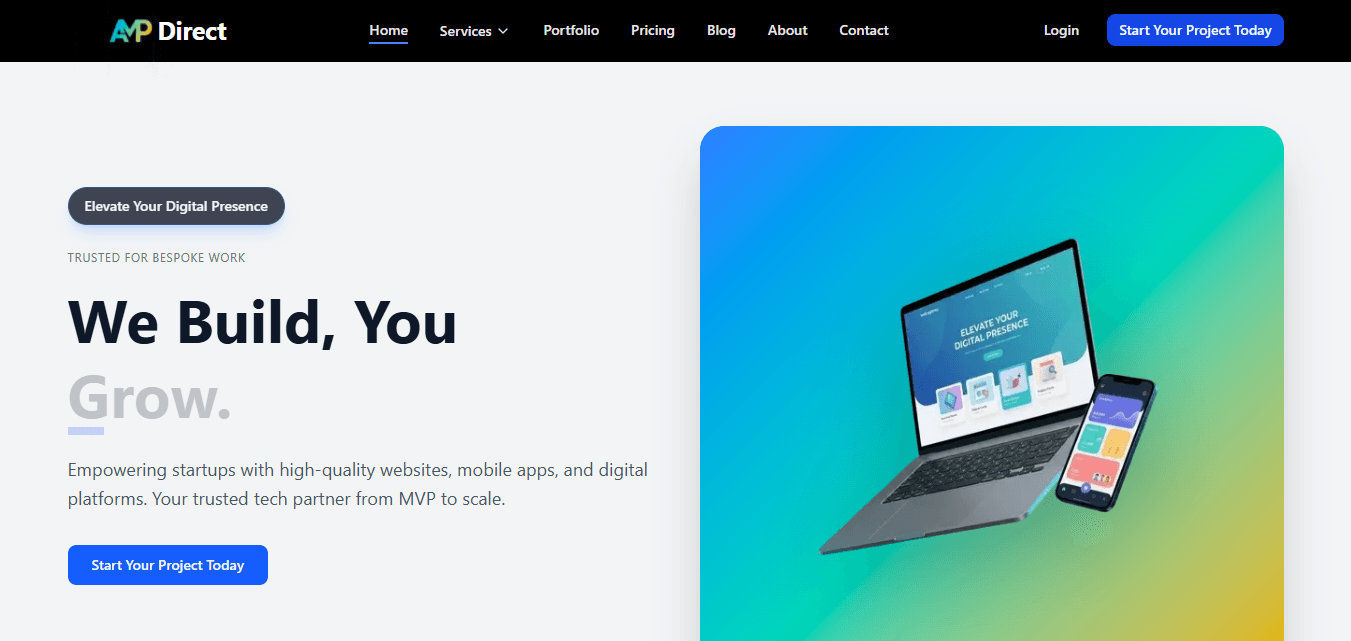
A platform that helps an agency manage client work and payments.
I designed and deployed a full-stack platform for an agency. It includes login and user roles, client and project management, quotes, invoices, payments, maintenance plans, support tickets, and client dashboards. I also connected Paystack for payments, set up Docker and Coolify deployment, and configured HTTPS for the live app.
Good work happens in steps. We learn about the problem, make a plan, build a first version, test it, launch it, and keep improving it.
Listen before building
I spend time reading, asking questions, and watching how people work. I learn what the real problem is before I start building.
Find the real problem
The first request is not always the real need. I work with you to make the problem clear, focused, and possible to solve.
Plan before coding
I map out the main parts of the product, how they connect, what can go wrong, and what it will cost. This gives the team a clear plan before code begins.
Test ideas early
I test the riskiest parts first with small, low-cost experiments. If an idea does not work, we learn that early instead of finding out after launch.
Launch carefully
I release in small steps and watch how the product performs. I track speed, cost, errors, and where users get stuck so we can fix problems quickly.
Keep improving
A product is not finished when it launches. I use feedback and real usage to make it more useful over time.
Not every problem needs AI. Sometimes a simple feature or a clear piece of code is the better answer.
A quick look at what I am working on right now. I update this when things change. Want to talk about it? Say hello.
Designing Data-Intensive Applications — Martin Kleppmann
Reviewing how databases copy and split data.
A RAG evaluation harness in Python
Testing better ways to measure search quality.
Django + Celery for async task queues
Learning more about backend work for AI apps.
AI Software Engineer · Data Analyst roles
Remote or based in Accra. Open to longer projects.